The Facts on Plastic Pollution
IGO Textile is proud of our SEAQUAL fabrics on fighting plastic pollution. In 2019, we participated in SEAQUAL INITIATIVE. Up to now, we have been supplying more and more various fabrics made with SEAQUAL® YARN.
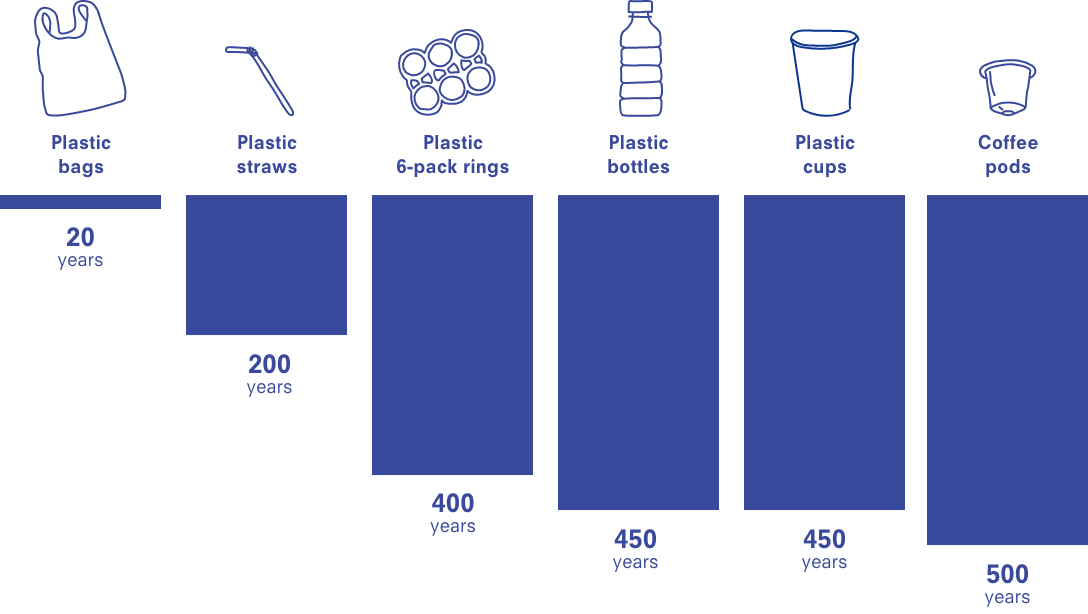
Plastic is destroying our marine environment like never before. They stay in our ocean for centuries.
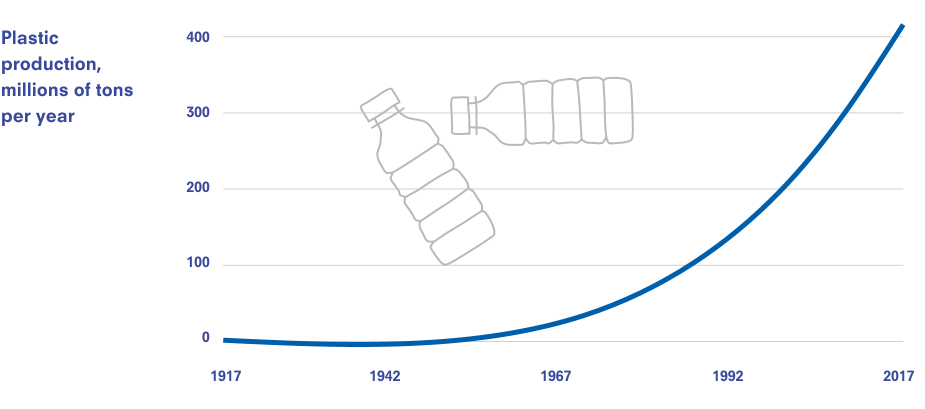
Since its introduction in the 1950s, 8.3 billion tons of plastic has been produced globally. It is estimated that around 4.6 billion tons is now accumulating either in landfills or the environment. Every year it is estimated that between 8 and 12.7 million tons of plastic find their way to our oceans, polluting and depleting our most important shared natural resource. This level of waste and pollution can not continue. Fortunately awareness of this issue is growing. More and more brands are committed to using 100% recycled plastics and industry is reacting.
Production of plastics is growing exponentially. This year another 400 million tons of virgin plastic will be produced. Only 9% of all plastics ever produced have been recycled.


Recently it is forecast that the world will consume 350 million tons of plastic per year, if just 5% of that was Upcycled Marine Plastic we will have removed 17.5 million tones of plastic from our oceans in just one year!
By removing this litter from the ocean SEAQUAL helps avoid another serious problem. Left alone these plastics will break down into microplastics that enter the very beginning of the food chain, permeating through all species (including ourselves) with consequences that we are only beginning to understand.
How is SEAQUAL YARN made?
- Ocean clean-ups collect the marine litter.
- The marine litter is transported by licensed waste management companies to SEAQUAL INITIATIVE approved sorting centers.
- The waste is sorted into plastics and non-plastics.
- The plastic is sorted into different polymer types.
- Each polymer type is then compressed into ‘bales’ (a large block) for transportation.
- The ‘bales’ of PET bottles are then sent to a SEAQUAL INITIATIVE approved ‘flake’ producer.
- The ‘bales’ of PET bottles are opened, and the bottles are shredded into small pieces (‘flakes’). At this stage, other materials such as the bottle tops, labels, glues used on the labels and any residual waste, such as sand, are removed and separated in a washing process.
- The 100% PET washed ‘flakes’ are then sent to a SEAQUAL INITIATIVE approved ‘chip’ manufacturer (‘chips’ are also known as ‘pellets’ or ‘nurdles’).
- The chip manufacturer mixes the marine litter PET flakes with post-consumer PET flakes from land sources.
- The mixed ‘flakes’ are heated until molten and forced through an extruder, where long spaghetti-like ‘threads’ are formed and then chopped into small lengths or ‘chips’
- The ‘chips’ are sent to the SEAQUAL licensed yarn manufacturer.
- The SEAQUAL licensed yarn manufacturer ‘melt spins’ the polymer chips. Molten polymer is forced through a spinneret (metal block with tiny holes) and viscous threads fall by gravity, cooling as they fall. Thousands of threads are produced at the same time, with between 34 and 134 threads being used to create each yarn. The threads are combined and wound onto a bobbin at high speed (approximately 300km/h).
- The bobbins are transported to the texturing plant, where the yarn is given texture.
- The textured yarn is shipped to SEAQUAL licensed textile manufacturers.
Donating for SEAQUAL INITIATIVE
REPREVE and leading brands
Related Article